November 16, 2026
A wet crawl space or newly landscaped yard may not seem connected to termites, yet both can change conditions around a home's foundation. Leaking pipes, blocked gutters, raised soil, and damp wood can make it easier for subterranean termites to find shelter and reach a structure.
Homeowners cannot prevent every infestation by keeping a yard tidy. They can, however, recognize conditions that deserve attention and decide when an inspection is appropriate. A local pest control company can help determine when treatment is needed, while homeowners focus on moisture management and visible entry points.
Check Areas Affected by Water Damage
Start where water recently entered or collected. Inspect accessible areas around plumbing, basement walls, crawl spaces, and exterior doors. Look for persistent dampness, stained wood, softened trim, or surfaces that have not dried after a leak was repaired. These signs do not prove termite activity, but they identify places where additional investigation may be useful.
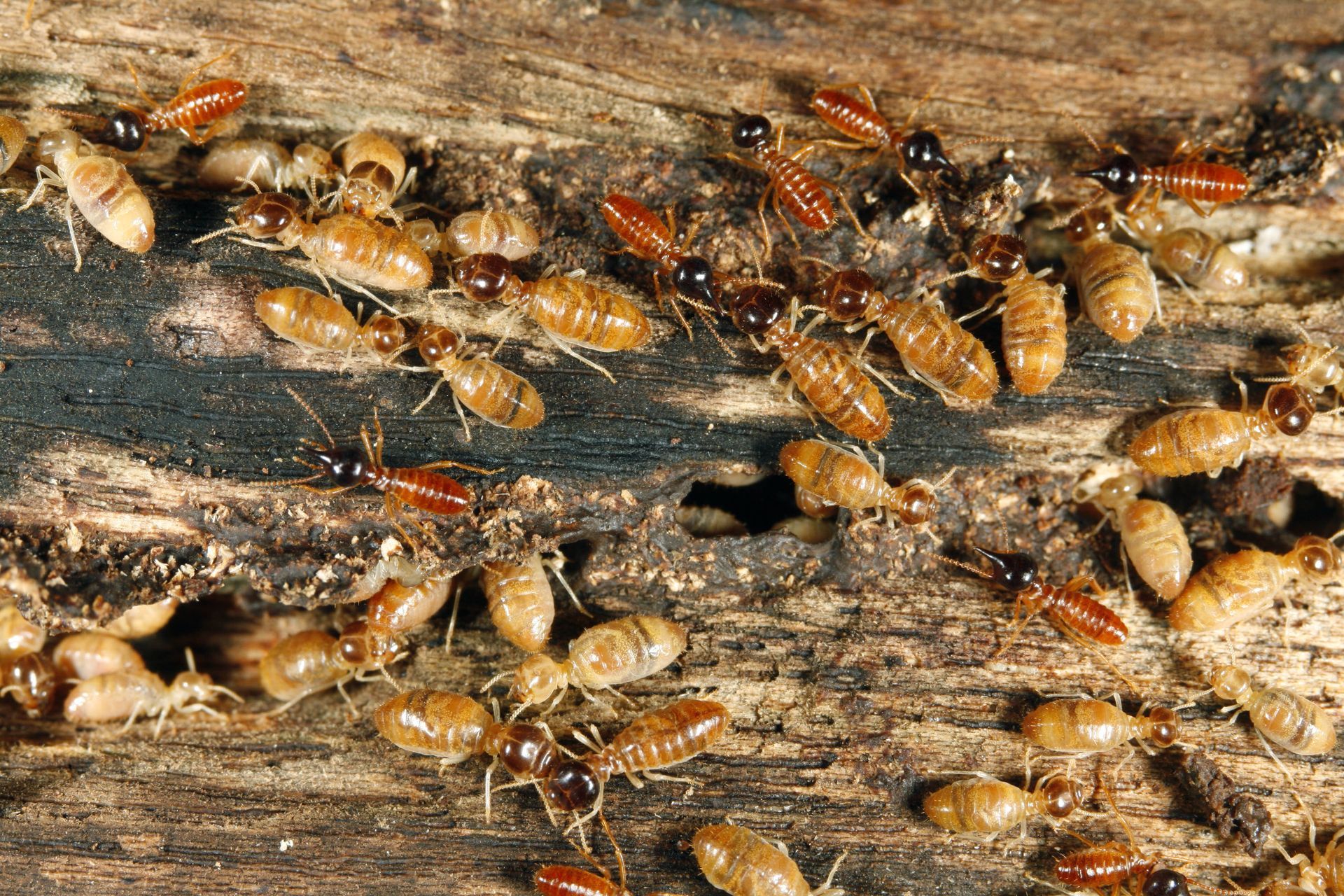
Subterranean termites live in soil and depend on moisture while traveling between their colony and a food source. They can reach building materials through concealed paths even when a room appears dry. Drywood termites behave differently, so the type of insect matters when assessing risk.
Repair the source of unwanted water before replacing damaged finishes. If flooring or framing has weakened, a qualified building professional may need to evaluate its condition. Avoid covering questionable materials with new drywall or paneling before the cause is understood.
Review Gutters, Downspouts, and Yard Drainage
Rainwater should move away from the building rather than settle along the foundation. Check whether gutters overflow, downspouts discharge beside basement walls, or soil has settled into low spots. A landscaping change can redirect runoff toward areas that stayed relatively dry before.
Walk the property after ordinary rainfall when it is safe to do so. Notice puddles near support posts, persistent wet patches, and water flowing toward crawl space openings.
Adjustments may involve cleaning gutters, correcting a downspout outlet, or improving grading while protecting existing utilities and landscaping. Drainage changes should respect local requirements and neighboring properties. A local pest control company can also assess whether outdoor work has disturbed previously treated soil.
Inspect Wood-to-Soil Contact and Structural Details
Wood in direct contact with the ground can give subterranean termites a concealed route into a building. Check accessible siding edges, porch steps, deck supports, door frames, and crawl space framing. Soil or mulch piled against exterior wood can create similar concerns. Keep foundations visible enough to recognize changes rather than hiding the lower wall behind decorative materials.
Cracks near plumbing penetrations and gaps at foundation joints also deserve attention. Termites can travel through very small openings, and simply sealing a visible crack does not address an existing colony. Correcting building defects remains useful, but it should not be mistaken for a complete termite treatment.
If a joist, sill plate, or post seems damaged, do not assume the problem is only cosmetic. Rot and insect activity can occur separately or together.
Look for Activity Along the Home's Perimeter
Check accessible foundation walls for narrow mud tubes that resemble dried soil. Also watch for discarded wings near windows, doorways, or lights, and wood with unusual internal galleries. These findings can suggest termite activity, but accurate identification matters because other insects and moisture-related deterioration may look similar.
According to Mordor Intelligence, subterranean termites commanded 64.37% of the global termite control market in 2025. That measures market share, not the percentage of affected homes or an individual property's infestation risk.
If you discover suspicious evidence, photograph it and record the location. Avoid disturbing suspected mud tubes or applying household sprays before a technician can examine them. A local pest control company can check whether the signs reflect active termites, old damage, or another problem.
Reconsider Mulch, Plants, and Stored Materials
Fresh landscaping often changes how moisture collects near the house. Thick mulch, densely planted beds, and irrigation directed at siding can keep the perimeter damp. Mulch itself does not automatically cause an infestation, but its placement may conceal activity or interfere with inspection. Leave appropriate clearance around the foundation based on local guidance and the building's design.
Move firewood, leftover boards, and buried construction scraps away from the house. Trim vegetation that touches walls, blocks vents, or makes access difficult.
Replacing wood mulch with stone is not a substitute for monitoring or appropriate treatment. Gravel can still shelter moist soil, and termites can travel beneath it. Prioritize sound grading, accessible inspection areas, and sensible watering practices rather than relying on one supposedly pest-resistant landscape product.
Protect Existing Treatments During Outdoor Work
Digging trenches, adding patios, replacing walkways, or shifting soil against the foundation can affect an existing protective treatment. Underground irrigation lines and drainage repairs may also disturb areas where a licensed professional previously applied a soil barrier. If the property has a termite protection agreement, review its terms before starting work.
Tell a local pest control company where excavation or new construction is planned. Ask whether the project could disturb treated soil, block bait stations, or limit access needed for monitoring. Some systems require ongoing checks, while others have different maintenance obligations. Product labels and service agreements determine what follow-up is appropriate.
Never move bait stations or apply termiticides without the necessary guidance. Keep records of treatment locations and any changes made around them.
Address Renovation Damage Before Closing Walls
Renovation work may uncover stained studs, damaged sill plates, or hollowed wood behind finished surfaces. Those findings deserve an assessment before the wall is closed again. A pest professional can evaluate suspected activity, while a qualified contractor can determine whether structural materials need repair.
Replacement materials should be selected for their intended use and local building requirements. Proper flashing, moisture protection, and separation between soil and vulnerable wood can reduce conditions that support future infestations. Pressure-treated lumber can be appropriate in certain locations, but it does not make an entire home immune to termites.
Ask how new steps, decks, raised planting beds, or exterior additions will affect drainage and access for inspection.
Arrange an Inspection When Evidence Is Unclear
An annual visual review and closer checks after leaks or major landscaping changes can help homeowners notice developing concerns. Professional inspections are especially useful when there are mud tubes, suspected swarmer insects, damaged structural wood, or previous infestations. The right frequency depends on local pest pressure, construction details, and any treatment agreement.
A
local pest control company should explain what was inspected, which findings indicate activity, and what options fit the specific situation. Soil treatments and bait systems have different installation, monitoring, and follow-up requirements. Ask how progress will be evaluated and which repairs fall outside pest treatment.
Keep inspection reports, photographs, warranties, and notes about drainage repairs together. A record of earlier observations gives the next technician useful context.
Build a Practical Prevention Routine
Moisture repairs, accessible foundations, careful landscaping, and timely inspections work together. No maintenance step can guarantee that termites will stay away, but attending to drainage and wood-to-soil contact can reduce avoidable vulnerabilities. After a major yard project, revisit the perimeter and make sure protective treatments remain accessible.
Hoffman Pest Control provides termite inspections and treatment services for homeowners in Springfield and other parts of Southwest Missouri. Contact the company to discuss suspicious signs, recent moisture damage, or changes around your property. An assessment by a local pest control company can help determine whether monitoring, treatment, or additional repairs are appropriate.