October 5, 2026
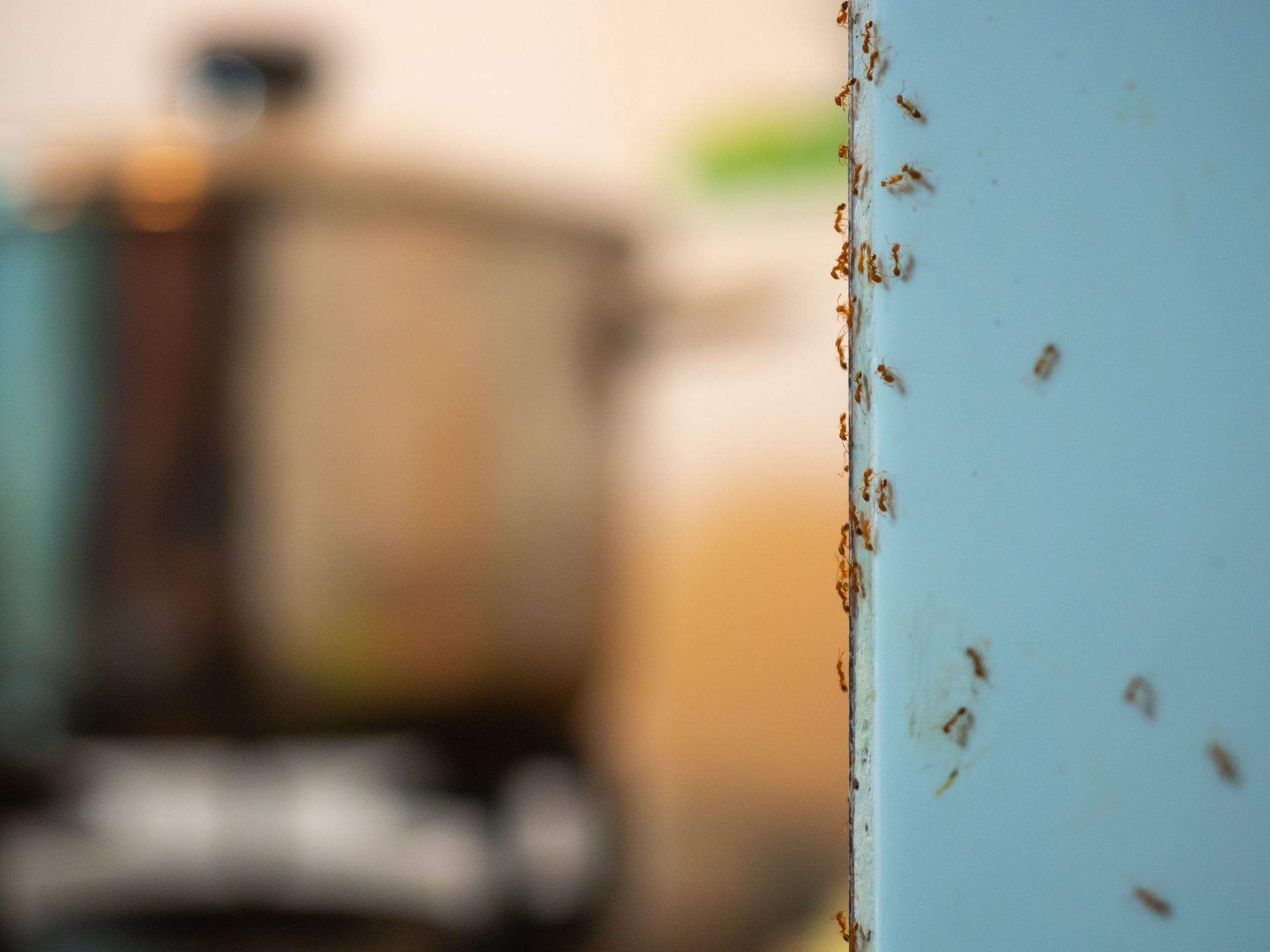
Ant issues can begin with just a few ants near a sink or pantry and gradually develop into a persistent infestation. While seeing occasional ants does not always indicate a major colony, recurring trails, multiple nests, or ants appearing throughout the home can signal a problem that requires more than an over-the-counter treatment.
The ant control industry reflects the ongoing need for professional solutions. According to Market Data Forecast, the global ant control market reached a value of nearly $632 million in 2025. This demand reflects the challenges property owners can face when ants establish colonies indoors or around structures.
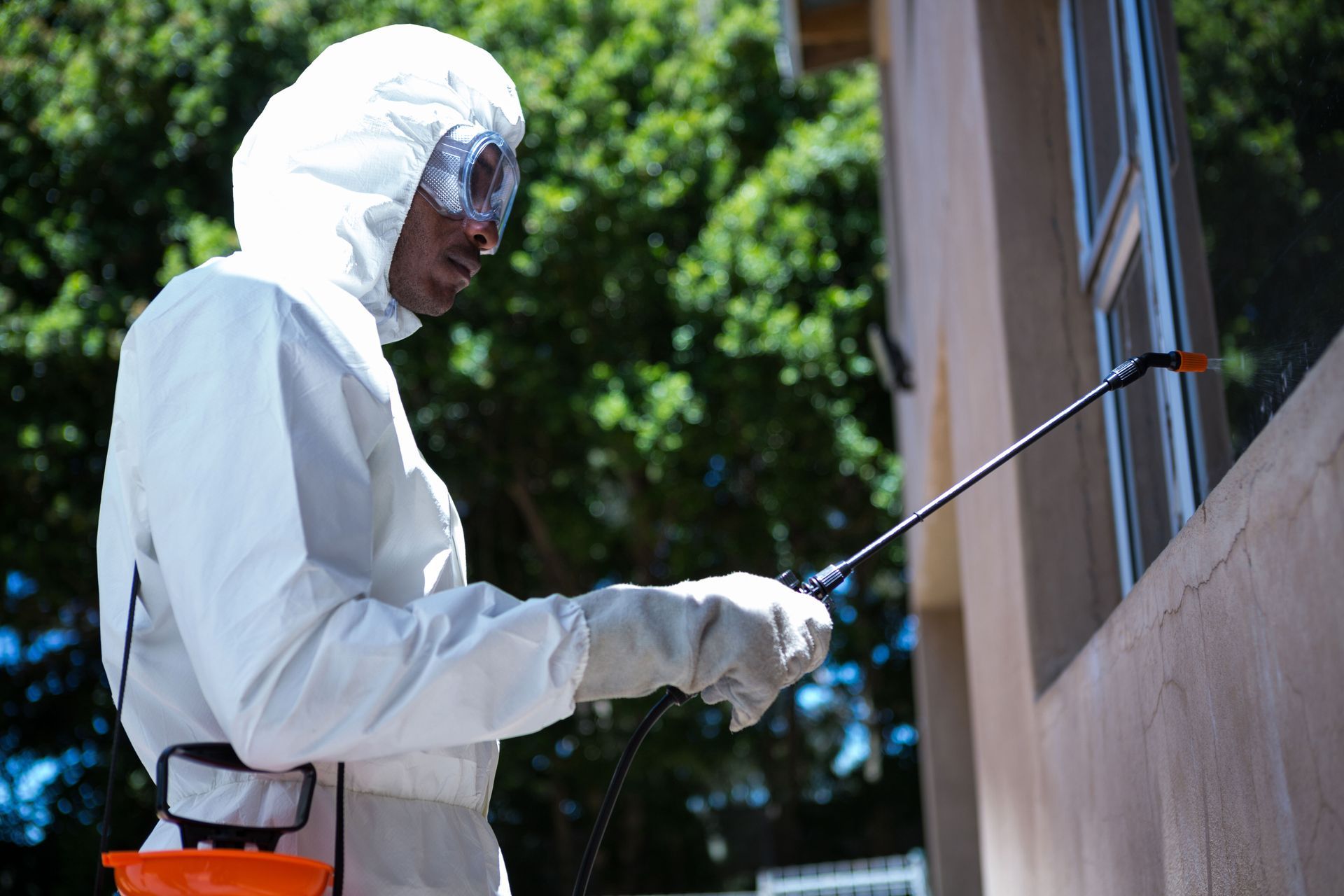
Hiring a pest control company gives property owners access to a systematic approach that addresses more than the ants that are immediately visible. Understanding what to expect from the process can make it easier to prepare for an inspection, evaluate treatment recommendations, and know what happens after the initial service.
Understanding the Initial Inspection
Identifying the Ant Species
The first step typically involves a detailed inspection of the property. A technician may examine areas where ants have been observed, including kitchens, bathrooms, utility areas, foundations, windows, doors, and other potential entry points. Ant trails can provide useful clues about where workers are traveling and what may be attracting them.
Identifying the species is particularly important because different ants have different nesting behaviors and require different control strategies. Carpenter ants, fire ants, odorous house ants, pavement ants, and pharaoh ants can behave differently and establish colonies in different locations. A pest control company can use observations about the ants' appearance, activity patterns, nesting areas, and property conditions to determine what type of infestation is present.
Locating Entry Points and Nesting Areas
An inspection also focuses on determining how ants are entering or moving around the property. Small gaps around doors, windows, foundations, pipes, utility penetrations, and other structural openings can provide pathways into buildings. Outdoor vegetation, moisture, food sources, and nearby nests may also contribute to recurring ant activity.
Technicians may look beyond the areas where homeowners initially notice ants. An indoor trail does not necessarily mean the colony is located inside that particular room. Ants may travel considerable distances between food or water sources and their nesting location. Finding these pathways helps a pest control company develop a treatment plan based on the infestation rather than simply treating the most visible ants.
Developing a Targeted Treatment Plan
Addressing the Entire Colony
After the inspection, the technician can explain the findings and recommend an appropriate treatment approach. Effective ant control generally focuses on disrupting the colony rather than eliminating only the workers that happen to be visible. Depending on the species and location, treatment may involve targeted applications designed to reach nesting areas or affect the broader colony.
This distinction is important because surface-level treatments can sometimes provide only temporary relief. If the primary colony remains active, additional workers may continue entering the property. A professional approach considers the colony's location, behavior, and access points so treatment can address the underlying infestation instead of repeatedly treating the same visible trail.
Choosing Treatment Methods
Treatment methods can vary based on the ant species, infestation severity, property type, and location of the colony. A technician may recommend targeted treatments around specific areas, baiting strategies, exterior applications, or preventative barrier treatments. Some properties may also benefit from treatment options designed to minimize exposure to people and pets when appropriate.
A qualified pest control company should explain what treatments are being recommended and why they are appropriate for the particular infestation. Property owners should also receive information about any preparation requirements, areas that need to remain vacant during treatment, and precautions that should be followed afterward. Asking questions before service can help ensure everyone understands the treatment process.
Addressing Conditions That Attract Ants
Professional ant control may also involve identifying environmental or structural conditions that encourage recurring activity. Ants are often attracted to accessible food, water, moisture, and sheltered nesting locations. Leaking plumbing, damp areas, uncovered food, overflowing trash, vegetation touching structures, and openings around the exterior can all contribute to pest activity.
Technicians may recommend practical steps to reduce these conditions. These recommendations can include improving sanitation, correcting moisture problems, trimming vegetation away from structures, sealing accessible openings, and storing food appropriately. Addressing these factors can complement professional treatment and make the property less attractive to future ant activity.
Following Up After Professional Treatment
Understanding the Expected Timeline
Ant control does not always produce complete results immediately. Initial treatment may significantly reduce visible activity within twenty-four to forty-eight hours, while complete colony elimination can take one to two weeks depending on the species, severity, and location of the infestation. Some situations, particularly established carpenter ant infestations, may require additional treatment.
Property owners should therefore avoid assuming that treatment has failed simply because they see some ants shortly afterward. Remaining activity can occur while treatments reach different portions of the colony. A pest control company can explain what level of activity is expected following treatment and when additional evaluation may be appropriate.
Monitoring for Remaining Activity
After treatment, homeowners should continue watching for signs of ant activity. Recurring trails, ants appearing in previously unaffected areas, new outdoor nests, or continued activity around known entry points may indicate that additional attention is necessary. Keeping track of where and when ants are seen can provide useful information during a follow-up visit.
Property owners should also avoid applying additional store-bought products without first discussing them with the service provider. Uncoordinated treatments can interfere with certain control strategies or make it more difficult to determine how the infestation is responding. Following the technician's instructions gives the treatment plan a better opportunity to work as intended.
Preventing Future Infestations
Long-term ant management involves more than eliminating an existing colony. Once treatment has reduced the infestation, maintaining clean food storage areas, promptly addressing spills, controlling moisture, and sealing potential entry points can help reduce opportunities for ants to return. Outdoor conditions should also be monitored for nests and other sources of activity.
A pest control company may recommend preventative treatments based on the property's history, environmental conditions, and likelihood of recurring ant problems. Preventative service can be particularly useful for properties that experience seasonal invasions or have repeatedly dealt with ants despite previous attempts at treatment. Combining professional service with consistent property maintenance can help reduce future infestations.
Hiring professional help for an ant problem provides a structured process that begins with identifying the species and assessing the extent of the infestation. Instead of focusing exclusively on visible ants, the process considers nesting locations, entry points, environmental conditions, and the behavior of the specific species involved. This broader assessment can help determine which control methods are appropriate.
The experience of the technician also matters when dealing with different types of ants. Carpenter ants can pose concerns for wooden structures, fire ants can create painful outdoor encounters, and persistent indoor species can repeatedly appear in kitchens and other areas. A pest control company can tailor its recommendations to the particular risks and circumstances found on the property.
Ant infestations can range from an isolated nuisance to a persistent problem involving multiple colonies or areas of a property. Knowing what to expect from professional service helps property owners understand why inspection, species identification, targeted treatment, follow-up, and prevention are all important parts of effective ant management. Contact Hoffman Pest Control today to schedule professional ant control services and take the first step toward a pest-free property!